
Color Psychology in Home Renovation
Color choices in living spaces directly alter mood and comfort, with research from the American Psychological Association showing that exposure to soft blues and greens can lower anxiety levels by up to 30 percent. A redesigned room with calming tones not only encourages relaxation but also increases the appeal of staying in for leisure. On quiet evenings, a soothing environment often becomes the backdrop for choosing online distractions, including real money games that offer jackpots, themed slots or live dealer tables. Payout speed and bonus terms influence which platforms are most popular during these calm nights at home.
A soft glow from a table lamp highlights how calming tones transform even small corners into inviting retreats. In this peaceful setting, a person enjoys the ease of quiet evenings at home, where online casino registration becomes a simple way to add entertainment to the night. Many notice that fs casino registration introduces them to welcome bonuses that make exploring new games more rewarding. These subtle shifts in the environment and routine gently shape how leisure time feels and flows.
Which colors actually change how you feel at home
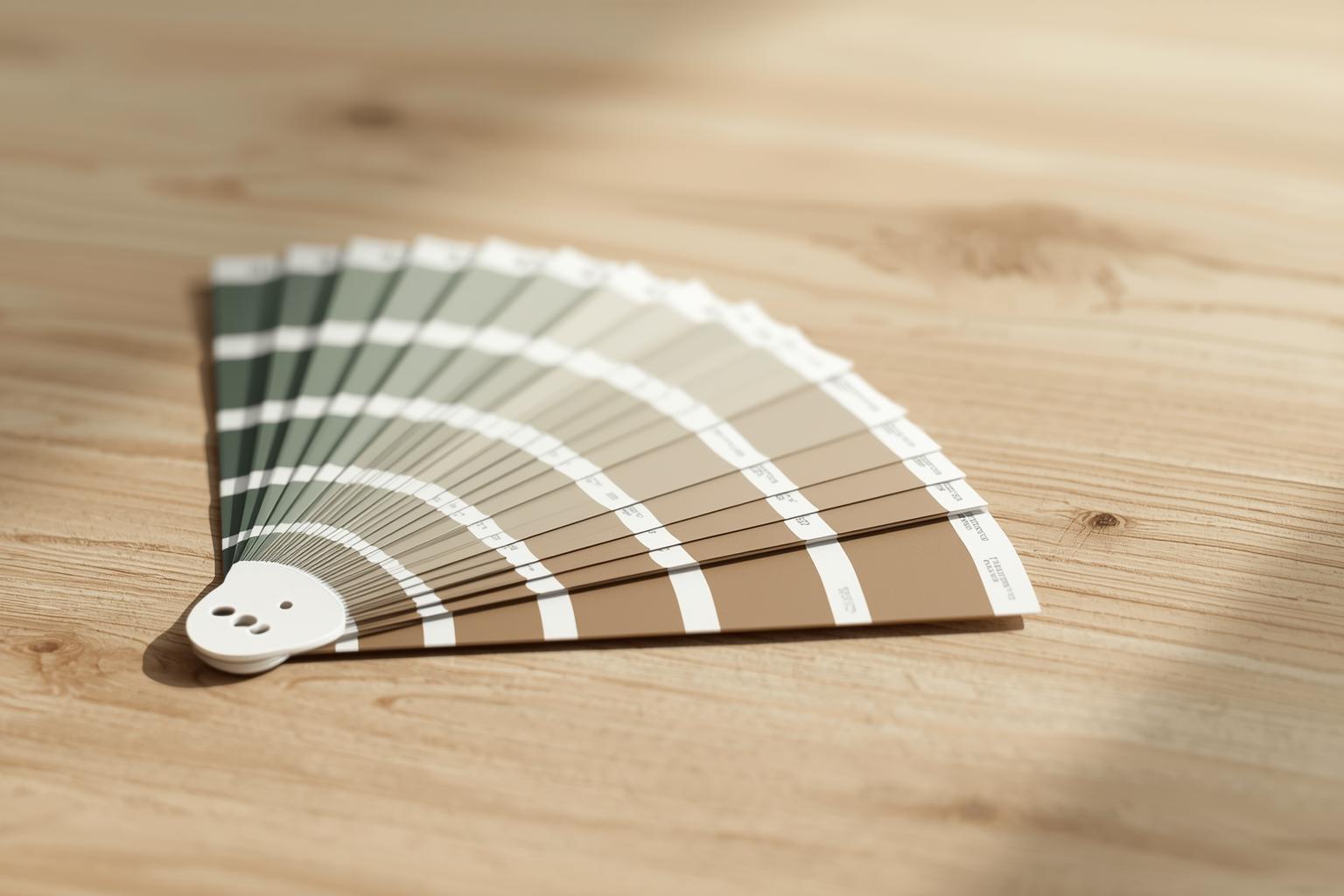
Soft blues and muted greens create a sense of calm that many people crave after a hectic day. While bold reds or sharp yellows can energize a space, they rarely support true relaxation. With the right colors, a living room becomes a place where evenings stretch out comfortably, inviting not only quiet conversation but also time spent exploring online activities like spinning reels or chasing jackpots on a tablet.
Warm versus cool tones in living spaces
Warm tones like terracotta and ochre tend to create environments that invite conversation and give living rooms a sense of comfort after a long day. Cool hues such as slate blue or pale green foster a quieter mood, making spaces feel more restful but sometimes less lively for group gatherings.
Shifts in wall color can directly affect relaxation at home, with warm palettes often encouraging longer social evenings while cooler ones may lead people to seek out quieter activities, such as spending time with online games or exploring virtual blackjack tables.
People often overlook how a dominant color in a lounge or den can nudge them toward isolation or connection. A subtle shift to a warmer shade can make family movie nights more inviting or even prompt a group tournament on an online slot, while an overly cool space may leave evenings quieter but less interactive.
Accent colors that boost calm and focus
Calming accent colors can shape the mood of any room, especially when evenings at home become quieter and more restful after a renovation. Shifts in palette not only affect relaxation but also influence how well people concentrate on leisure activities like online games or streaming. Several shades stand out for their ability to support both winding down and focused engagement:
- Dusty lavender – signals transition from day to evening in a living space
- Muted teal – pairs well with wood and cushions for sustained attention
- Soft clay – underlines moments of pause during reading or games
- Powder blue – reduces overstimulation around screens or gaming setups
Overlooking accent shades that calm and focus can leave evenings feeling scattered even in a stylish room. In refreshed surroundings, a person is more likely to enjoy immersive activities such as online slots or live card tables, where a well-chosen color scheme helps sustain attention and keeps frustration at bay.
Choosing soothing colors does more than ease the mind; it sets the stage for unwinding with favorite games or even a live dealer session from the couch. An inviting atmosphere at home gives every online bonus or payout a backdrop of comfort.
How room function changes the best color choice
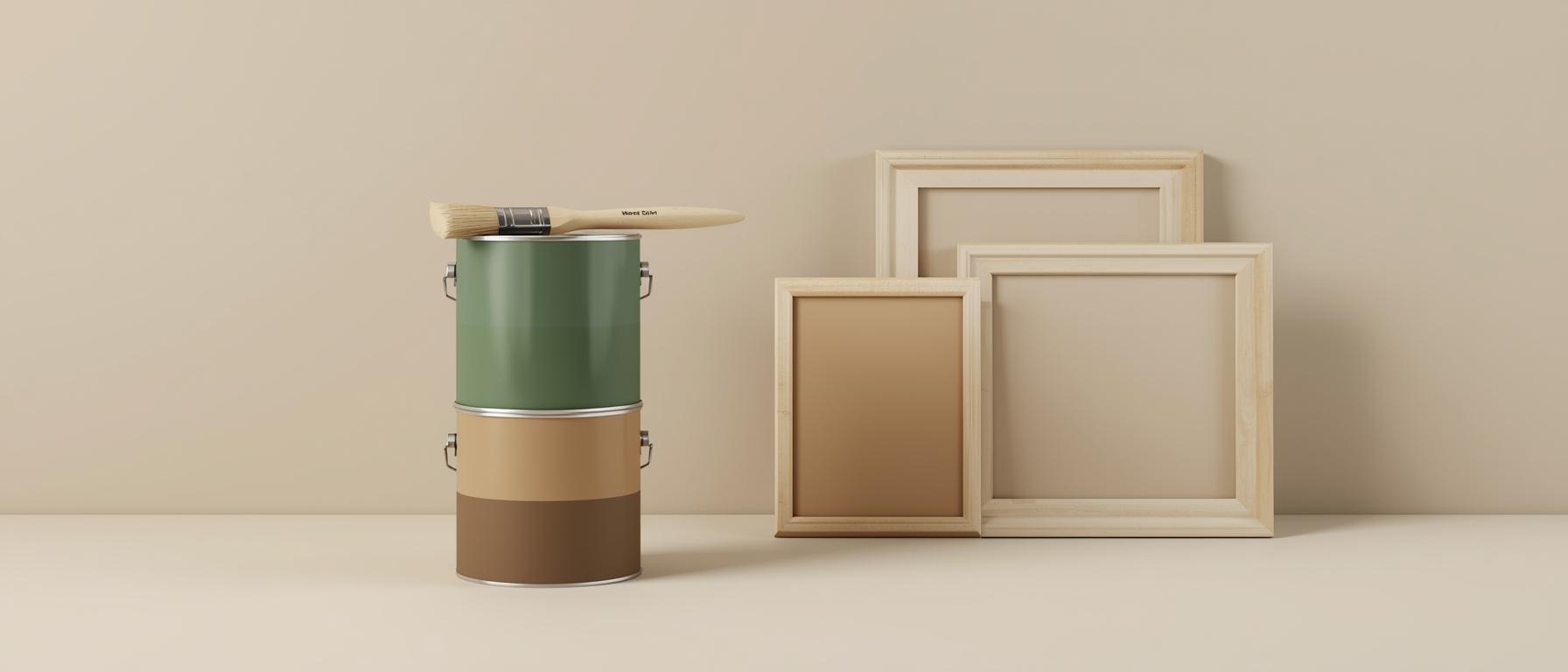
Color sets the mood for every room, influencing whether a kitchen feels lively or a bedroom encourages rest. The right shade can transform a neutral living area into a warm hub that draws people together for movie nights or makes solitary pastimes more enjoyable. For many, this comfort turns an ordinary evening into a chance to try online casino games, compare welcome offers, or follow a live dealer session without leaving the sofa.
Bedrooms and restful color palettes
Soft blue and muted green shades often lead to deeper relaxation in bedrooms. Warm colors like red or orange tend to increase alertness, making them less suitable for winding down at night.
Pale blue walls have shown to lower heart rate and blood pressure, setting a calm tone before sleep. Green, especially in sage or moss tones, creates a gentle transition from day to night, which matters after busy evenings spent with online games or streaming sessions.
Bright colors such as yellow or bold purple can stimulate the mind and disrupt sleep routines. This becomes more noticeable when paired with late night online casino sessions, where the thrill of chasing jackpots or navigating live dealer games already raises excitement levels. A soothing palette helps bring down stimulation after these activities, making it easier to shift from digital play to restful sleep.
Paint finishes can also affect how restful a room feels; matte absorbs light and softens edges. For anyone adding smart lighting or screens to a bedroom, stick to hues that minimize glare and visual noise.
Social spaces and energizing hues
Open floor plans often use bold colors to shape conversation and boost activity. A well chosen color can make the same living room feel lively during a party but still inviting for a quiet night alone. Evenings spent in such spaces often see people turning to online casinos, where the environment at home shapes the way they enjoy games and features:
- Citrus yellow – raises energy, especially under natural light
- Vivid teal – sparks interest without overwhelming the senses
- Cranberry red – encourages interaction, especially in group seating areas
- Emerald accents – support both lively chat and solo reading
- Charcoal details – ground the palette so excitement does not become chaos
Energizing colors come into their own during gatherings, when friends or family fill the space. For those quiet nights, background palettes influence everything from how long someone stays at the table to how immersed they feel in an online casino session, from spinning slots to waiting on a live dealer.
A well chosen palette shapes not only how a space looks, but how it is lived in–especially when nightly routines shift to include streamed blackjack or slot spins on a tablet. Thoughtful color selection supports relaxation and makes home-based activities, such as exploring new casino bonuses or testing luck in a live game, far more inviting.
What to avoid when choosing colors for relaxation
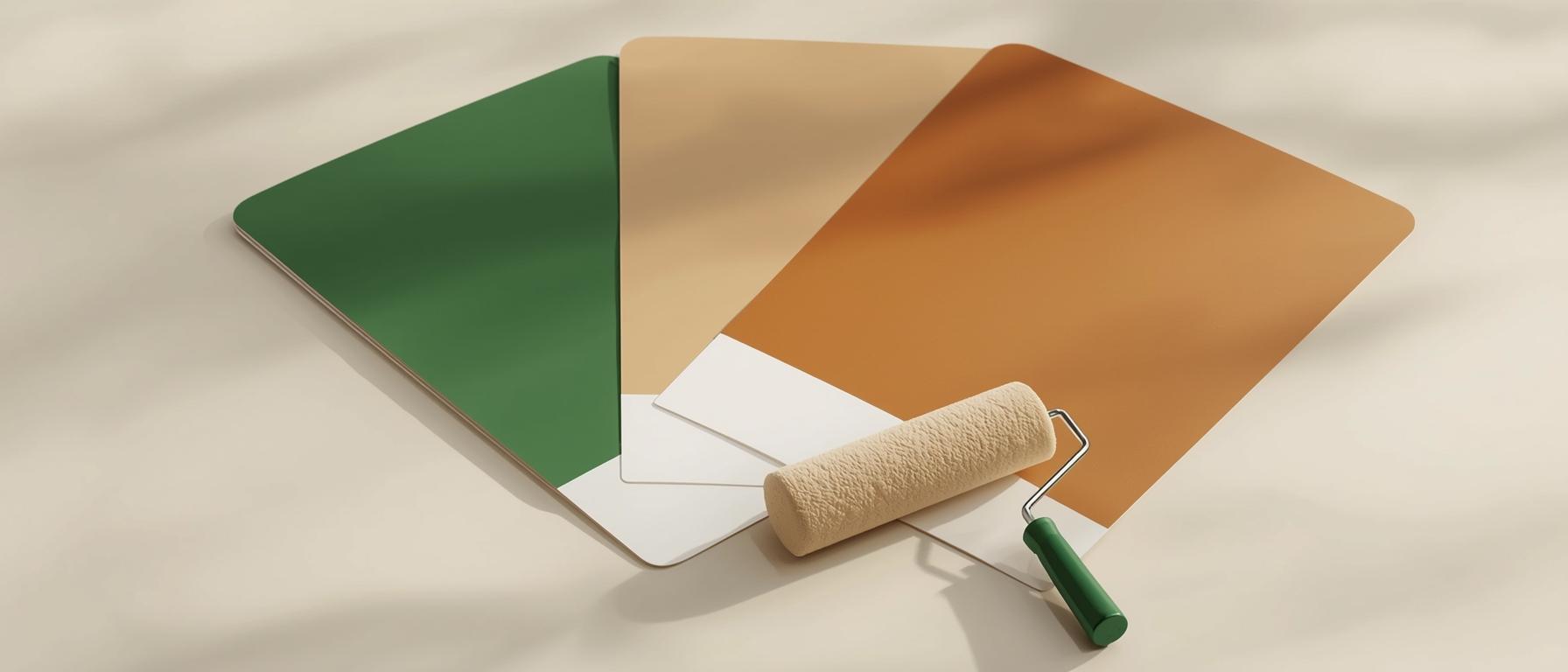
Bright red walls in bedrooms often lead to restlessness and poor sleep quality. Muted tones create a soft backdrop that makes a living room feel welcoming, while a harsh contrast can make evenings indoors less restful. A calm space encourages people to linger at home, where many turn to online games of chance or skill for evening entertainment, exploring features like live dealers or progressive jackpots.
| Color Type | Effect on Mood | Common Mistake | Resulting Atmosphere |
|---|---|---|---|
| Pure Red | Stimulates energy; increases heart rate | Used in bedrooms or relaxation zones | Tension and poor rest |
| Neon Green | Highly alerting and artificial | Applied across large surfaces | Overstimulation; visual fatigue |
| Black and white contrast | Creates sharp visual edges | Dominates small rooms | Cold, unwelcoming vibe |
| Glossy finishes | Reflects light and movement | Covers all walls instead of accents | Distracting glare; restless mood |
| Cool blue, excessive | Suppresses warmth | Overused in north-facing rooms | Chilly, distant environment |
Muted colors with balanced undertones foster the most inviting setting, while strong contrasts or overly vibrant tones quickly undermine relaxation. Longer evenings at home, made more comfortable by thoughtful color choices, often lead to more time spent exploring online activities such as slots or live table games, where the appeal lies in the variety and convenience rather than noise or visual overload.